


The Work of Nathan Horner
Southern California
“When I am dead and gone, the only color that will represent me will be the color on my canvases.”
— Nathan Paul Horner
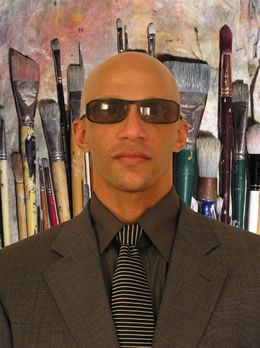
Nathan Paul Horner is a contemporary American painter working in the American Modernist tradition. Based in Hollywood, California, his canvases pursue the luminous edge between observation and feeling—seascapes caught at the hour light dissolves into water, suburban streets rendered with the quiet weight of Hopper, coastal architecture bathed in the southern California sun Sorolla pursued.
Working primarily in oils, Horner’s practice moves between the coastline from Baja California to Malibu, the lighthouse stations of San Pedro and Point Loma, and the vernacular architecture of Los Angeles: neon hotel signs, palm-shadowed ranch houses, the geometry of the American suburb at midday.
His work has been exhibited at LACMA, the Edward Hopper House, Arclight Cinemas across Southern California, and internationally. His paintings appear in the publication The Land of Sunlight and are held in private collections in the United States, Canada, England, and Japan.
Full Biography →
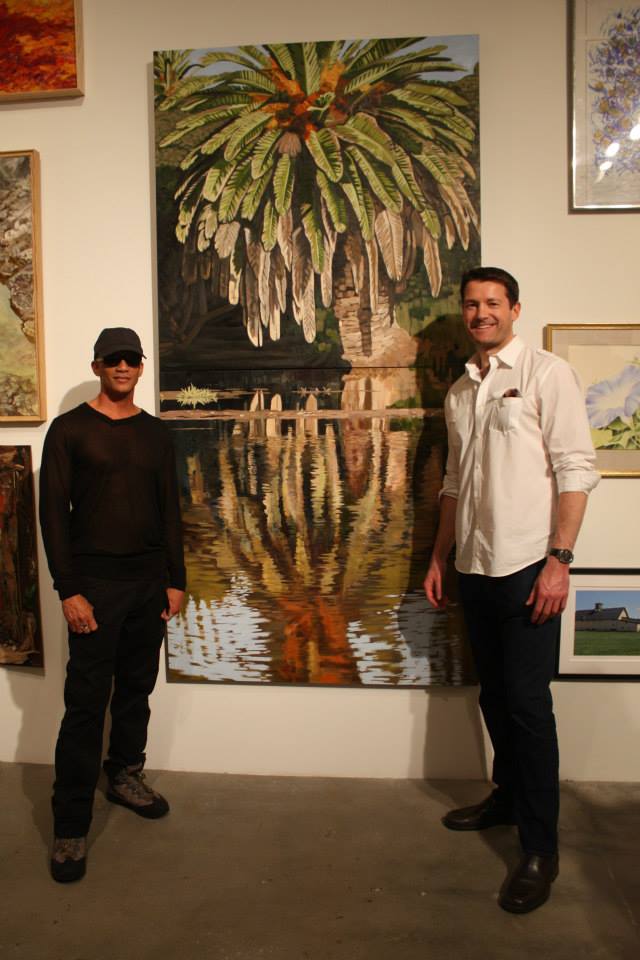
At four by eight feet, this is among Horner’s most ambitious canvases. A Canary Island date palm dominates the upper half — its fronds rendered with an almost taxonomic exactness, each leaflet catching the Southern California light differently. Below, the Malibu Lagoon holds the palm’s perfect inverted image in its still, tannin-dark water. The painting is the centerpiece of the Malibu Lagoon Series.


Nathan Paul Horner · Hollywood, California
Nathan Paul Horner was born in East Liverpool, Ohio on February 6, 1967, and raised by his mother and grandmother in Fredericksburg, Virginia, alongside his two sisters. The only multiracial member of his Caucasian family, he reconnected with his African American family in 2020, during the pandemic lockdown, through DNA genealogy research. “I have overcome much adversity” is a thread that runs through both his life and his work.
A creative gift was apparent early. Recognized by teachers and peers as an artist, he earned local awards along with television and press coverage for his drawing and painting. Influenced by Andrew Wyeth, his earliest works were rendered in a photorealistic, neo-folk style in colored pencil.
Accepted into Parsons at both its Paris and New York campuses, Horner instead chose United States International University in San Diego, drawn to the Pacific Coast and the possibility of a life in art. At USIU’s School of Performing and Visual Arts he was a roommate of actor Thorsten Kaye and a classmate of Academy Award winner Jamie Foxx.
Surrounded by creative peers, an international campus, and the culture of California, Horner’s work expanded. He began to paint in oils, developing a style shaped by Edward Hopper, Vincent van Gogh, and John Singer Sargent. A full-time painting and drawing major studying under Netter Worthington, he also worked as a scenic artist for the drama department. He took up surfing and skateboarding and worked as a graphic artist for Tony Magnusson and Mike Ternasky of H-Street Skateboards, alongside artists Scott Obradovich and Carl Hyndman — the company that would later give rise to Plan-B Skateboards and, through Magnusson, the Evol and Osiris shoe brands. He also founded one of his first entrepreneurial endeavors, “Inertia,” an action sports clothing company whose motto was Perpetually Positive.
In the early 1990s he returned to Virginia during his grandmother’s illness; she passed with Nathan and his sister at her side. He enrolled at Virginia Commonwealth University in Richmond, majoring in painting, drawing, and printmaking. Prolific and immersed in the city’s underground music and art scene, he lived and worked in a four-story brick storefront warehouse, hosting events, painting sets for a GWAR rockumentary, and developing an independent-study film project. In 1993 he was awarded membership in the Golden Key International Honor Society in recognition of a 4.0 GPA.
After his grandmother’s death he returned briefly to East Liverpool to stay with relatives, then to Richmond, where he took a job supervising crews across the country, erecting steel racks for warehouse stores. Tired of life on the road and missing the surf, the weather, and a stable place to paint, he found his way back to San Diego.
There he was commissioned to paint a Tree of Life mural at the Helen Woodward Animal Center in Rancho Santa Fe. Living in Ocean Beach, he painted his popular “OB Surfside Cottages.” He loved San Diego’s beach communities — settling longest in Pacific Beach before moving to a loft in downtown’s East Village — and experienced a rebirth as a painter, with survival and creation as his mantra. Seeking the freedom to paint full-time, he launched the self-marketing campaign that continues today, becoming known for his seascapes, suburban landscapes, and architectural paintings in the American Modernist tradition. During this time, to make a living, he began working for large-format graphic-arts printing companies, which he did for decades until he became self-employed.
In 2001 and the years that followed, he donated work to benefit the Surfrider Foundation; his oil of the Old Point Loma (Cabrillo) Lighthouse was approved as a print by the National Park Service and was sold at the Cabrillo National Monument gift shop in Point Loma. In 2004, three of his paintings appeared in MTV’s The Real World: San Diego, filmed in Point Loma and broadcast around the world. His prints sold throughout La Jolla and San Diego, and his L.A. Icons postcards were carried in select Los Angeles stores. He was an active member of the La Jolla Art Association, the San Diego Museum of Art Artist’s Guild, the Hollywood Arts Council, and the New York Artists’ Fellowship. In 2007, two of his paintings were published in The Land of Sunlight, James Lightner’s survey of 100 contemporary Southern California fine artists.
Now based in Hollywood, Horner has shown and sold through the Los Angeles County Museum of Art Sales and Rental Gallery. In the fall of 2005 he exhibited at the Hollywood ArcLight Cinemas, selling paintings to director Wes Craven and other film-industry figures, with later exhibits at the ArcLight in Sherman Oaks, La Jolla, and Pasadena. His original work is held in galleries and private collections around the world, and he continues to contribute to the visual history and culture of Southern California, Hollywood, and wherever life’s travels take him.
My future’s so bright I gotta wear shades. But that’s not why I wear them. They’re prescription. I have an artificial cornea that is part of a medical journey that inspired me to start my company.
In 1994, I incurred a scar on the cornea of my left eye. I painted and lived with minimal vision and pain in that eye for years. I had a cornea transplant in San Diego in 2002, but it had complications healing. After moving to Los Angeles in 2004, I was referred to Dr. Anthony Aldave, MD at the Jules Stein Eye Institute at UCLA. Multiple procedures followed, all with healing complications. In the fall of 2007 an infection almost cost me my eye entirely. Dr. Aldave determined that an artificial cornea was necessary. In 2008 I had the surgery.
What years of treatment had never accounted for was a second, overlooked condition. Through my own research I finally found it: nocturnal lagophthalmos — the inability to close the eyes completely during sleep. Night after night it left my cornea exposed to the air, eroding the surface and undermining every attempt to heal. It was the hidden cause beneath the infection that nearly took my left eye and the year I spent blind in it. Even after the artificial cornea restored my vision, the condition persisted, still affecting the corneal tissue around it.
I can now see 20/20, though the left eye is light blue due to trauma to the tissue. When the light hits it, a ring inside it lights up like an eclipse. For an artist, light and sight are everything. This has been a humbling and enlightening experience. I look forward to the day when advances in stem cell technology will enable restoration of my natural cornea and appearance. Until then — I am the Robo Artist in Prada’s.
The artificial cornea led, in its own way, to the Tarsus Eyelid Patch — the medical device for which I was granted US Patent #10,076,448 in September 2018 — and to Nictavi (www.nictavi.com), the medtech company I founded and now lead. The eye that nearly failed me became the eye that made me an inventor.
“When I am dead and gone, the only color that will represent me will be the color on my canvases.”
— Nathan Paul Horner
Water Vessel
A poem by Nathan Paul Horner, 1994
What does one drop in the ocean signify? A splash gone in a flash.
The tide is high under the pier of the fear of yourself.
All is well when there is the swell of self-confidence.
A bigot’s creed is flesh for the flow of the blood of greed,
Chum for the great whites of ignorance.
The morning brings the wind to fill the sails of your soul.
Lift anchor and sail the uncharted seas of experience.
The Cyclops of self is the eye of the storm on the ocean of the general public.
Every morning brings a hurricane warning.
Fathom the idea of individualism.
Let the light of love shine on and through you,
Displaying the prism of self-expression.
Just another drip on my own trip, on a cruise through time, all aboard the Titanic.
The whirlpool of social politics brings many down, yet the creative storm
Draws many up in the waterspout of consciousness,
To later rain down on the deserts and wastelands of drought souls.
Individual — Artistic — Creative — Expression
“Signing my work as Nhorner, I began as a surrealist during the early stages of my artistic development. Throughout high school, I transitioned into a pure realist, creating photorealistic, highly detailed works using colored pencils and mixed media, often drawing from life and photographic compositions. My passion for art, poetry, and philosophy was reflected in my work — sometimes through the titles and sometimes in the subject matter itself.”
“In college, exposure to more art and art history expanded my influences and began to shape my artistic path. My work started to emulate artists like Claude Monet, Vincent van Gogh, John Singer Sargent, Joaquín Sorolla, and Edward Hopper. I embraced oil painting, following the techniques of the Impressionists, loosening my approach and painting with less concern for minute detail. The paint, in all its manifestations, became a medium to convey my painterly illusion of realism — allowing each painting to create its own reality, a product of the creative process.”
“As a contemporary artist, I am inspired by the essence of life, emotions, my muses, and the beauty of my surroundings — particularly Southern California and Mexico. Each painting is executed passionately, romantically, and energetically, with every brushstroke a bold, deliberate, and respected action. After the spark of inspiration, the creation of a painting becomes like a game of chess — strategic, thoughtful, committed.”
“I consider myself a unique individual in time and space, documenting my worldview and existence through original oil paintings that will echo my presence for generations to come.”
Hollywood, California
Before oil became his primary language, Horner worked extensively in colored pencil and mixed media — a demanding discipline requiring tone and color built through thousands of individual marks. These early works, produced in Virginia and San Diego during the late 1980s and early 1990s, establish the hyperrealist ambition, the American vernacular subjects, and the sustained attentiveness to human figures in specific places that would define his mature practice.
The working drawings, life studies, and academic exercises produced during Horner’s high school and early college years reveal the full range of his technical training: figure drawing from life, perspective studies, anatomical observation, surrealist composition, and the relentless study of hands and feet that marks a serious drafting education. These are not finished works but the evidence of a practice — the daily exercise through which the mature painter was made.
In August 2010, Nathan Paul Horner became the first artist from California ever invited to exhibit at the Edward Hopper House Art Center — the 1858 clapboard house in Nyack, New York, where American realism’s great poet of light was born. Coast to Coast, a two-person exhibition with artist Peter Jerry, hung Horner’s Southern California canvases in the rooms of Hopper’s childhood home.
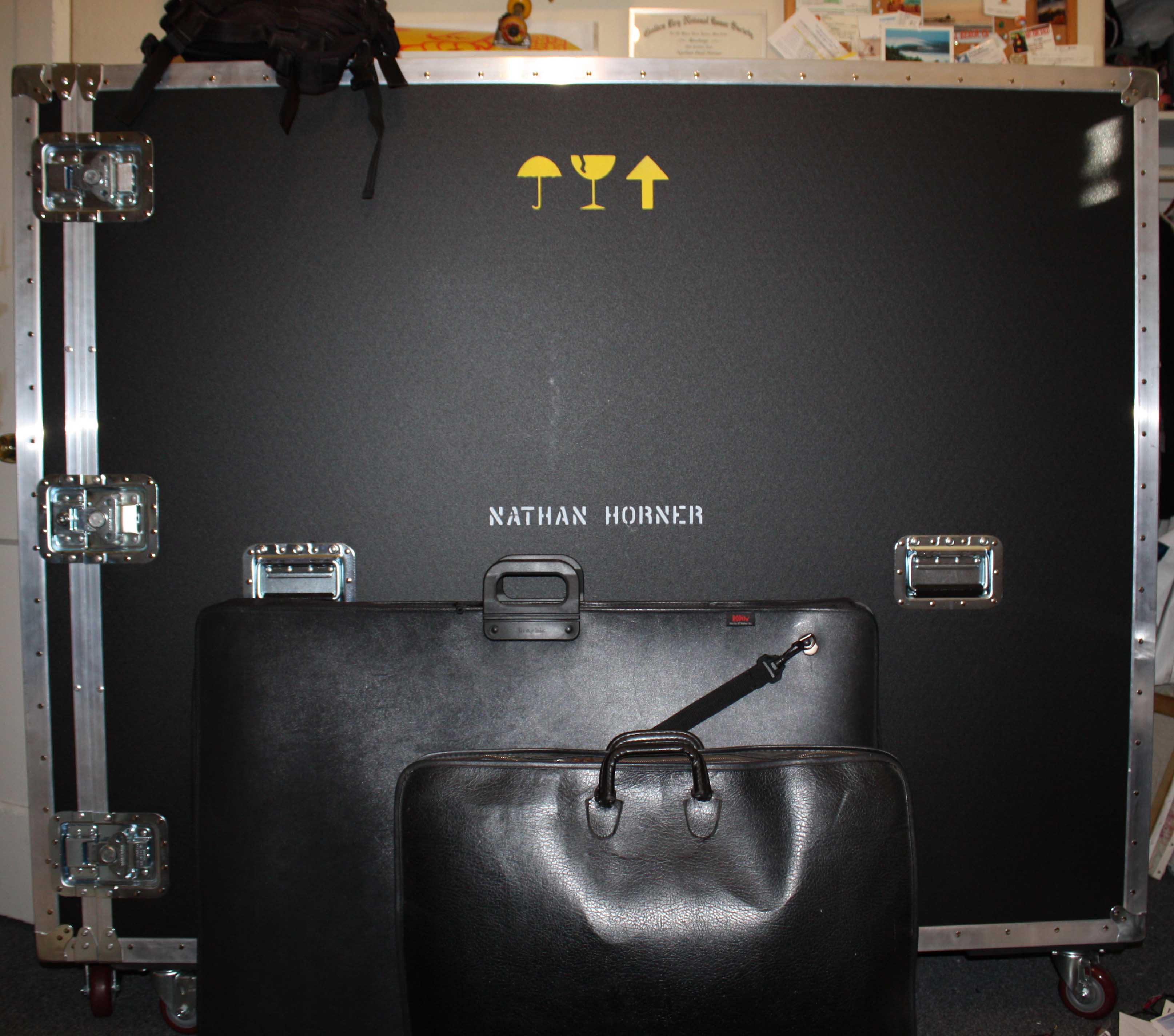
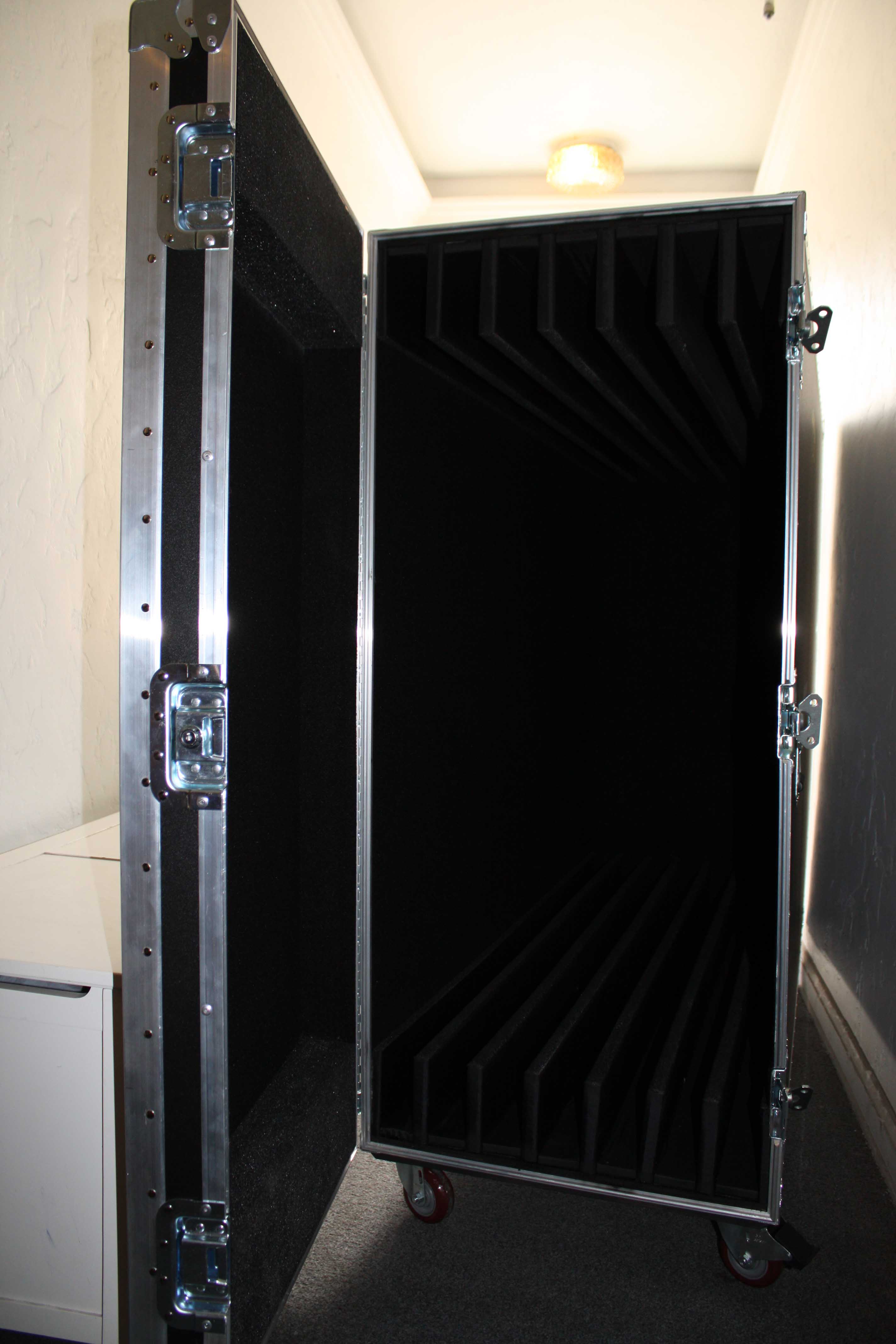
Custom road cases — stenciled with the artist’s name, slotted in foam — carried the canvases the full width of the country, California to Nyack, for the two-person show.
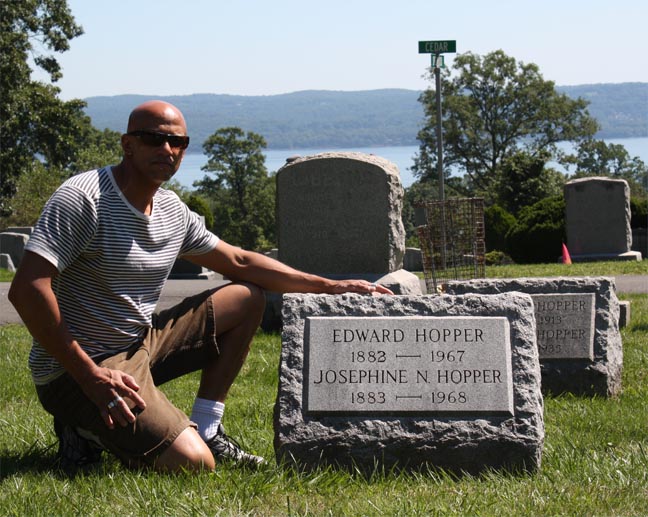
Between the rooms of the house and the hill above the Hudson, Horner traced the ground Hopper walked — the marker at the family home, the grave in Oak Hill Cemetery, the streets of Nyack.
July 2004 · Quick Sketches Feature · Full Artist Profile
American Artist magazine devoted a two-page Quick Sketches feature to Horner’s breakthrough moment: MTV’s The Real World San Diego production designer Katherine Spencer chose a group of his coastal landscapes to decorate the season’s beachside house. “We really wanted to capture the whole Southern California surfer atmosphere,” Spencer said. The article covers three works displayed in the house — House of the Pirates Cave, Baja California, and Tent City — visible to viewers throughout the season. The same issue ran a full artist profile with four works reproduced in color.
April 2004 · The Insider · Celebrities | Politics | Media
San Diego Magazine’s Insider column reported that three of Horner’s oil paintings were hanging in the house featured on MTV’s Real World San Diego throughout the season’s run. Two were San Diego waterfront scenes — House of the Pirates Cave, the private residence perched on Sunset Cliffs, and San Diego Cove — alongside a third, Baja California. The show’s producers selected the works after visiting the Gallery on Broadway in downtown San Diego. Horner’s item shared the page with notes on John Travolta, Adam Brody, and Chilean president Ricardo Lagos Escobar.
James Lightner · 2007 · 100 Contemporary Southern California Fine Artists
Horner’s work appears in this survey volume by art writer James Lightner, one of the definitive surveys of Southern California painting of the early 2000s. One hundred artists are featured; inclusion represents sustained recognition of Horner’s place in the regional painting tradition.
Chuck Gregory · EM & Co. Exhibition · West Hollywood
Coverage of the EM & Co. boutique exhibition of the LA Icons series — the installment focusing on vegetation and light rather than the architecture itself. Gallery owner Eveline Morel is quoted: “His paintings capture the essence of L.A. And vegetation plays such a strong role in creating this L.A. feel — the golden palm trees, what a perfect symbol of L.A.” The article also notes Horner’s upcoming invitation to the Edward Hopper House in New York.
Read Article →Edward Hopper House Art Center · Nyack, New York · August 28 – October 10, 2010
The official listing for the exhibition at the Edward Hopper House Art Center, Nyack, New York — the childhood home of Edward Hopper. Horner exhibited alongside New York artist Peter Jerry in a show described as two artists who “create realist paintings of landscapes and transportation that are uniquely of their place.” The opening reception was August 28, 5–7pm. Horner was the first California artist ever invited to exhibit there.
View Exhibition Listing →161st Annual California State Fair · Sacramento · The Reflecting Palm of the Malibu Lagoon
Horner received an Award of Merit at the 161st Annual California State Fair juried art exhibition for The Reflecting Palm of the Malibu Lagoon — the four by eight foot canvas depicting a Canary Island date palm and its perfect reflection in the still water of the Malibu Lagoon. The painting was entered from Hollywood, Los Angeles County, and listed at $80,000. Horner was the only painter from Los Angeles juried into the show that year.
The California State Fair juried art exhibition at Cal-Expo, Sacramento, is one of California’s oldest and most widely attended public art exhibitions — a significant platform for the state’s working painters.
From 2005 to 2019, Horner held solo exhibitions across the Arclight Cinema network — Hollywood, Sherman Oaks, Pasadena, La Jolla, Santa Monica, and Culver City. The Arclight’s curved lobby walls, long screening hallways, and back-lit corridors became a sustained venue for large-format canvases seen by thousands of filmgoers each week.
Further installation views from the Arclight Cinema exhibitions — the lounge, the screening corridor, and the entrance — the canvases lit against the theatre’s dark walls.
Arclight Cinema Pasadena
Old Pasadena · 2016 · Malibu Lagoon Series
The Art Deco Arclight Pasadena on Colorado Boulevard hosted the Malibu Lagoon Series in 2016. The same year, Reflecting Palm of the Malibu Lagoon received an Award of Merit at the 161st California State Fair — the only painter from Los Angeles juried into the show.
Illusions of Light: The Luminous Oil Paintings of Nathan Horner at the Arclight Cinema Sherman Oaks was Horner’s most fully realised solo Arclight exhibition — a curated survey of his Los Angeles and coastal work installed in the long gallery hallway of the Sherman Oaks Galleria location, complete with a formal exhibition title card, printed artist statement, and the Cabrillo Lighthouse exhibition poster.
Arclight Cinema Sherman Oaks
Sherman Oaks Galleria · 2009 & 2012
The Arclight Sherman Oaks, located in the Sherman Oaks Galleria, hosted two of Horner’s solo exhibitions — in 2009 and the Illusions of Light show in 2012. The Galleria location, with its escalator entrance and atrium, gave the cinema a distinctive character among the Arclight network.
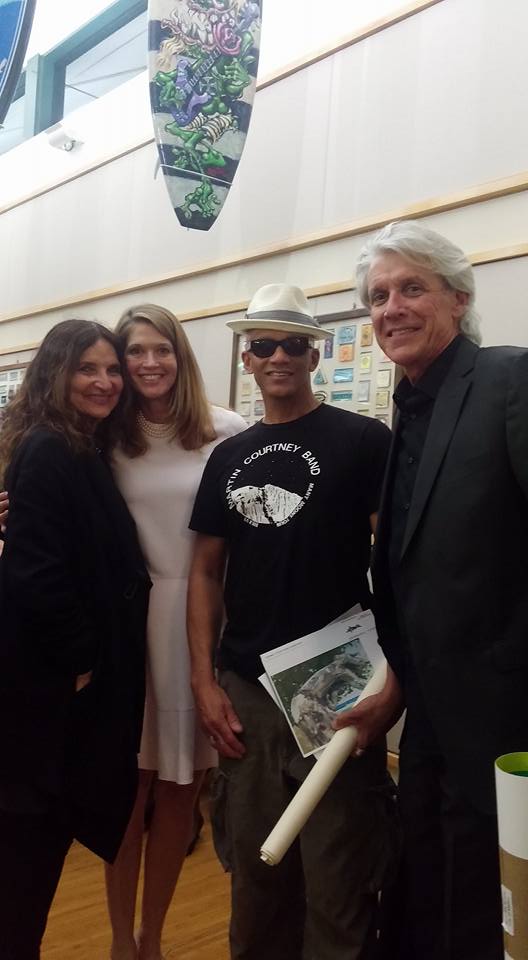
In 2014, The Reflecting Palm of the Malibu Lagoon was selected for the Open Call at the Los Angeles Municipal Art Gallery in Barnsdall Park — the four-by-eight-foot canvas that the same year received an Award of Merit at the California State Fair. These photographs document the exhibition and its opening at the historic Hollywood gallery.
Across 2017–18, Horner was the featured artist at Guisados, the West Hollywood taqueria, where works from the Malibu Lagoon Series hung on the restaurant’s exposed brick — the four-by-eight-foot Reflecting Palm of the Malibu Lagoon, a bone-white Moreton Bay fig over the ocean, and the Cabrillo Lighthouse — beneath a hand-lettered Featured Artist sign. A reminder that Horner’s work has always lived in the everyday rooms of Los Angeles as readily as in its galleries.
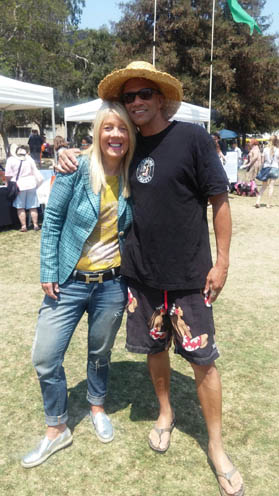
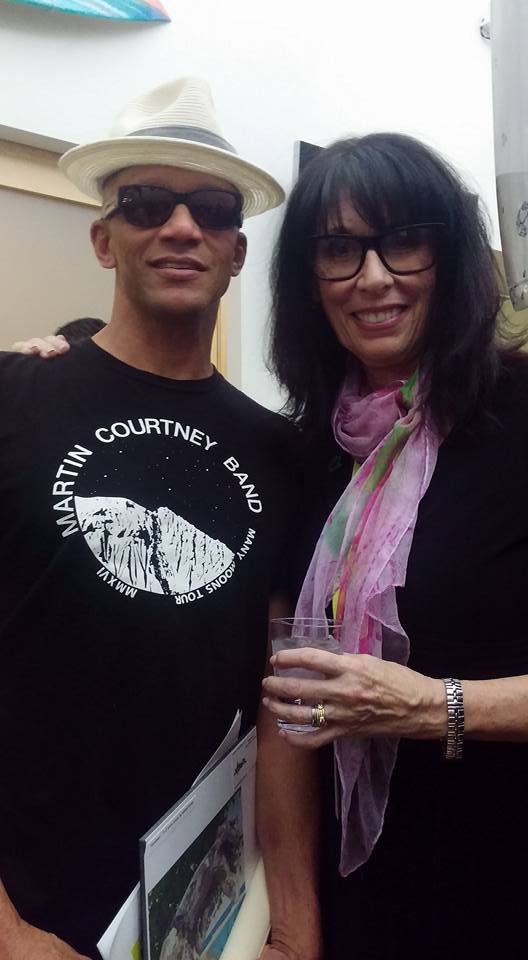
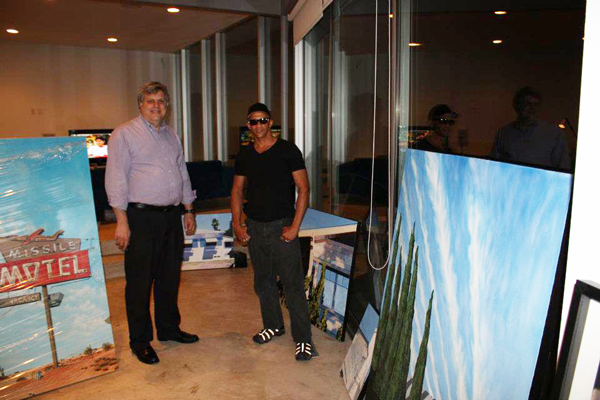
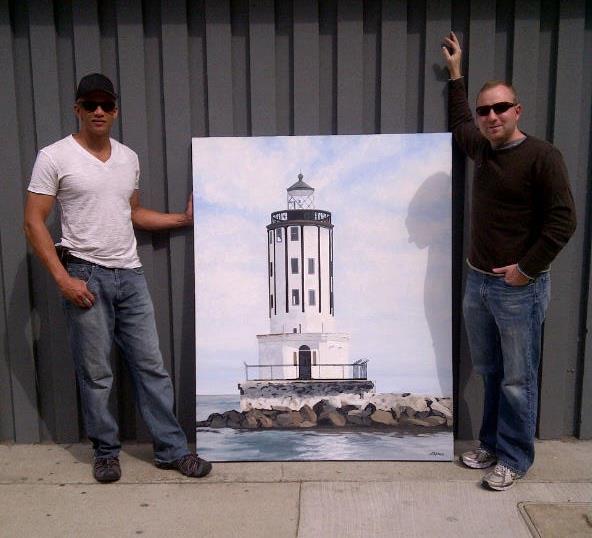
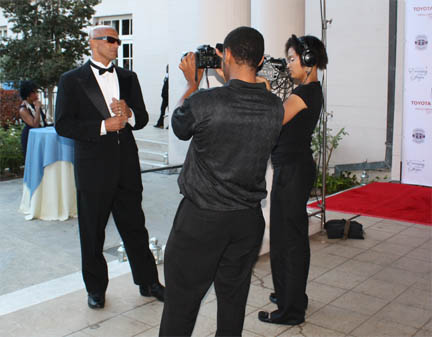
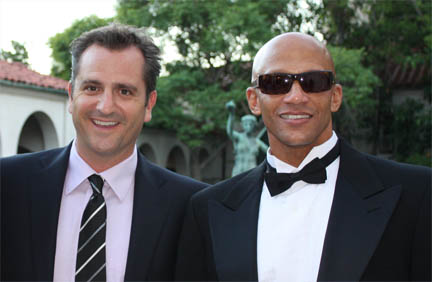
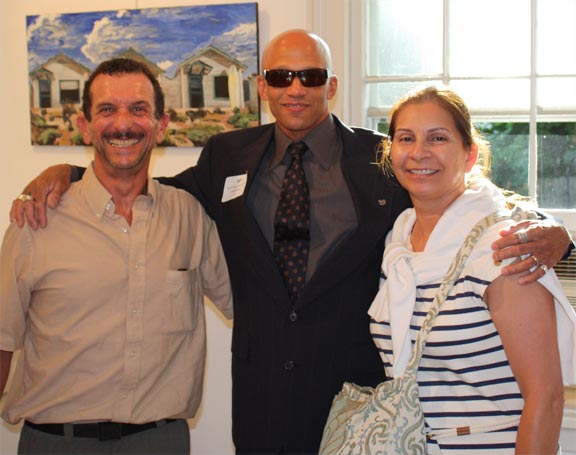
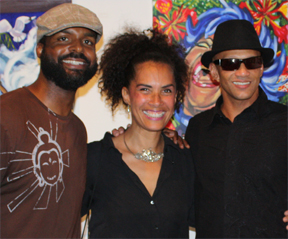
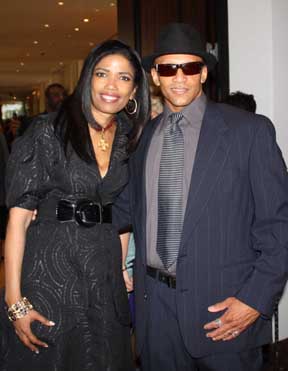
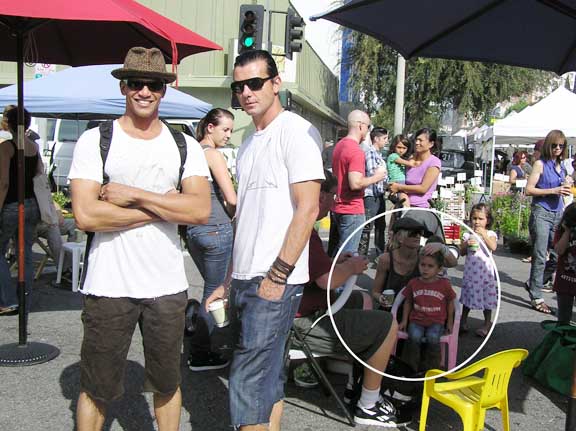
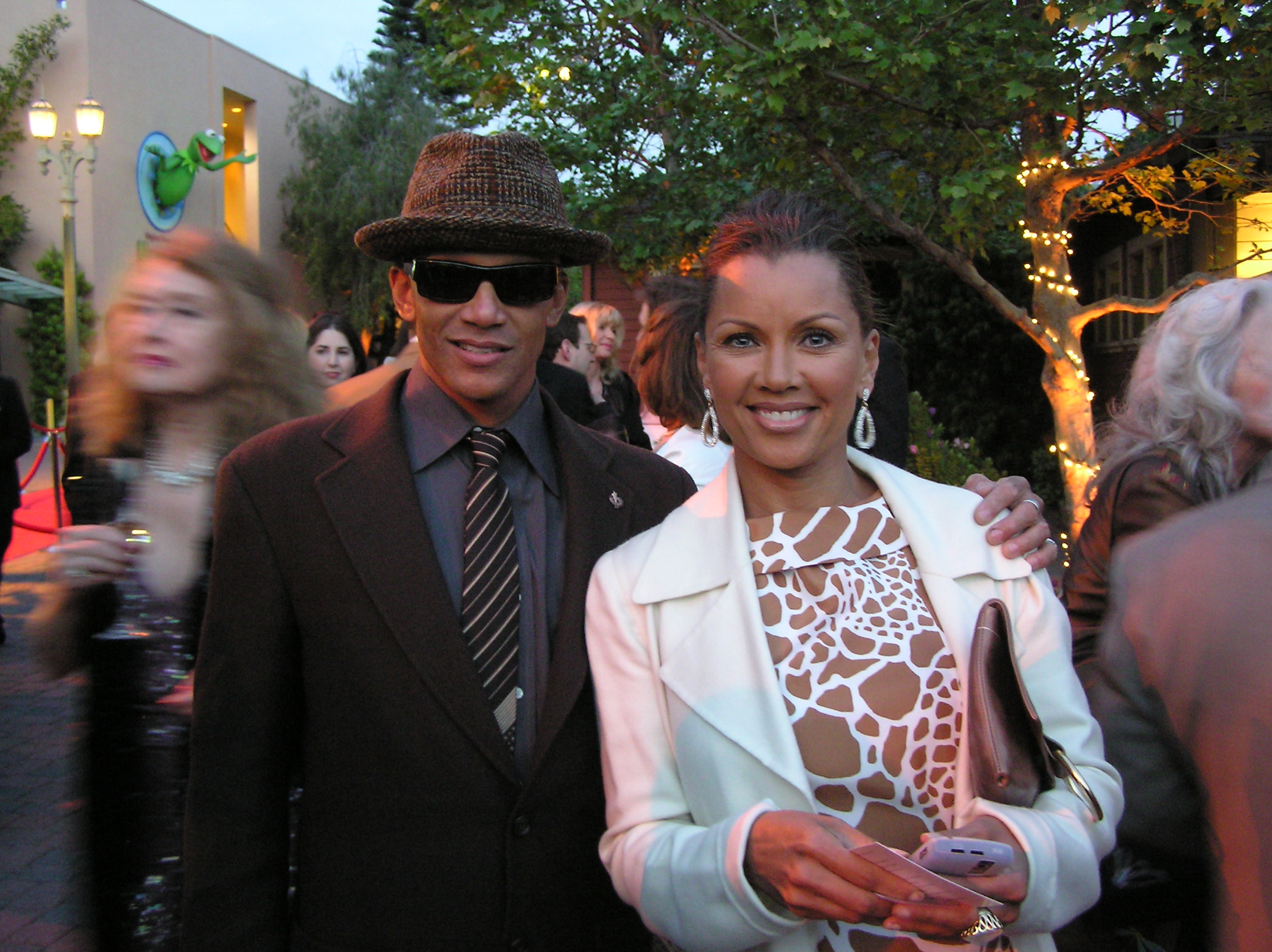
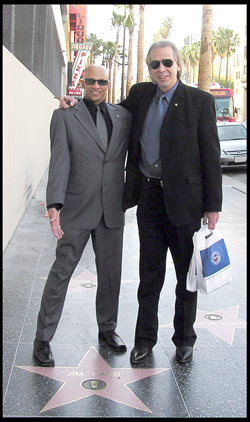
A working life among other artists, in studios and out on the streets of Los Angeles and San Diego — the people Horner has crossed paths with and the places that have shaped the work, and the life lived outside the studio.
Before Los Angeles — art school in San Diego, the H-Street skateboard years, large-format work in Burbank, and the boardwalk murals of Pacific Beach. The road that led to the studio.
Beyond the easel, Horner is the founder and CEO of NICTAVI, a Hollywood medtech company — the full ‘Reflecting Palm of the Malibu Lagoon’ and his California State Fair Award of Merit ribbon on the wall behind him.
Alongside the painting, Horner holds patents for medical devices developed through NICTAVI.
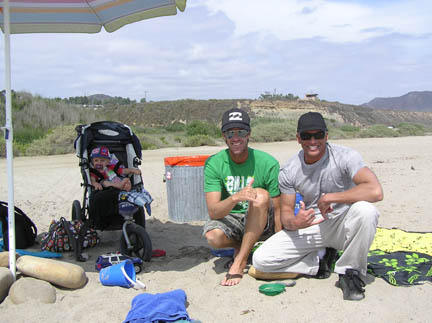
Board, wave, and the open Pacific — the life Horner has kept alongside the easel, from the skate bowls of the early years to the water off Southern California.
Along with the paintings, there was Inertia. Conceived by Nathan Horner in college and founded with his late friend Isaac Singer, Inertia Clothing Co. was a La Jolla surf-and-streetwear label built on a single idea — Perpetually Positive. Horner did all of it: the brand mark, the logotypes, the Da Rippa surf graphics, the advertising, the trade-show booths. It was his first act of creation as both designer and entrepreneur, and the discipline of building something out of nothing carried straight into the studio. This is where the journey began. Inertia still has an online presence as the “Perpetually Positive” page on Facebook.
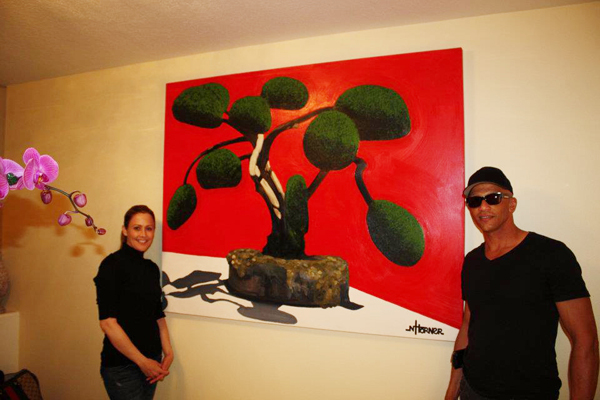
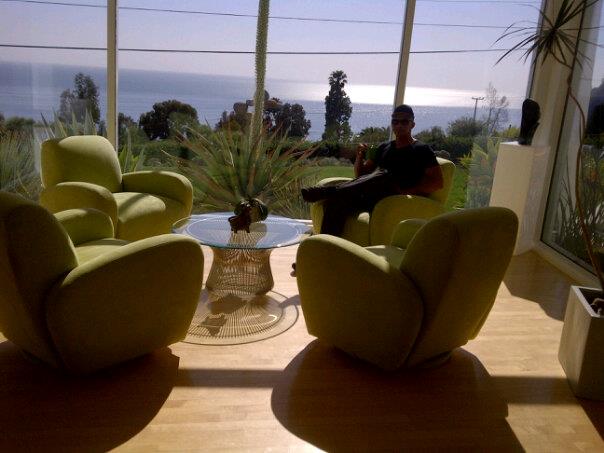
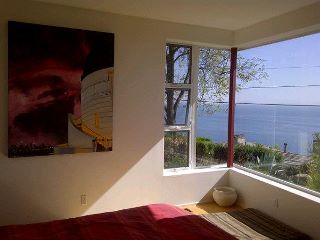
To the patrons and collectors who have welcomed these paintings into their homes, and to the family, friends, and mentors who believed in the work along the way — thank you. Your trust and encouragement have made this journey possible, and a measure of your generosity lives in every canvas.
Inquiries about available works, commissions, exhibitions, institutional loans, and publication rights are welcomed. The studio responds within three business days.